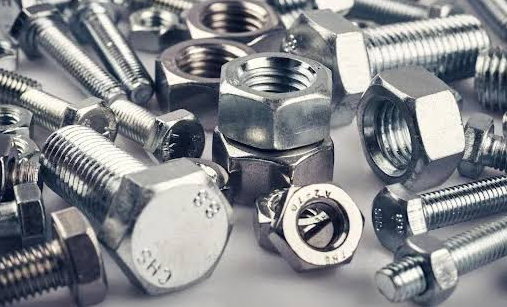
Mechanical fasteners are fundamental to manufacturing. They connect components, support assemblies, simplify maintenance, and allow equipment to be constructed from individual parts rather than permanently joined structures.
Although fasteners are standardized in many industries, their design can vary significantly depending on the application. Head shape, thread dimensions, material, bearing area, and installation requirements all influence performance.
One useful design is the hexagonal head with an integrated flange, which combines a familiar wrenching surface with a broader bearing area.
The Purpose of a Hexagonal Head
A hexagonal head provides six flat surfaces that allow a suitable wrench or socket to apply rotational force.
This makes the design practical for many industrial assemblies where controlled tightening is required.
The dimensions of the head should correspond with the intended tooling and installation space.
See also: Fixing Things Instead of Replacing Them
Why the Flange Matters
The integrated flange beneath the head provides a larger contact area than a basic hex-head configuration.
This can help distribute the clamping force across a wider surface.
In some assemblies, this design can reduce the need for a separate washer, simplifying the number of individual components required.
Material Selection
Fastener material should match the operating environment.
Titanium may be considered where corrosion resistance and weight reduction are important. Steel and stainless steel may be preferable for other applications depending on strength, temperature, cost, and environmental requirements.
The correct decision depends on the engineering specification.
Thread Considerations
Thread dimensions are critical to proper assembly.
Diameter, pitch, length, and tolerance all need to correspond with the mating component.
Incorrect thread specifications can cause installation difficulties or compromise the connection.
Installation Requirements
The fastener should be installed using the appropriate tool and procedure.
For critical assemblies, controlled torque may be required. Excessive tightening can damage threads or components, while insufficient tightening can reduce the intended clamping force.
Installation instructions should therefore be clearly documented.
Material Compatibility
When different metals are joined, designers should consider compatibility.
Galvanic effects may occur in certain environments, particularly where moisture or an electrolyte is present.
Proper material selection and design measures can help reduce these risks.
Manufacturing Accuracy
Precision is important for industrial fasteners.
Threads, head dimensions, flange geometry, and overall length should remain within specified tolerances.
Consistent manufacturing helps ensure that components fit properly during assembly.
Selecting the Right Product
Engineers evaluating a hexagon head flange bolt should review more than the general product name.
The material grade, dimensions, thread specification, surface condition, and mechanical requirements should all be confirmed.
FAQs
1. What is a flange beneath a bolt head for?
It provides an integrated bearing surface that can distribute clamping pressure over a wider area.
2. Why is a hexagonal head useful?
It allows standard tools such as wrenches and sockets to apply controlled rotational force.
3. Does material affect fastener performance?
Yes. Material influences strength, weight, corrosion resistance, temperature performance, and compatibility.
Conclusion
Fastener design combines several important engineering considerations. A hexagonal head provides practical installation, while an integrated flange can improve load distribution at the contact surface.
By selecting the correct material, dimensions, thread specification, and installation procedure, manufacturers can create dependable mechanical connections for a wide range of applications.
